

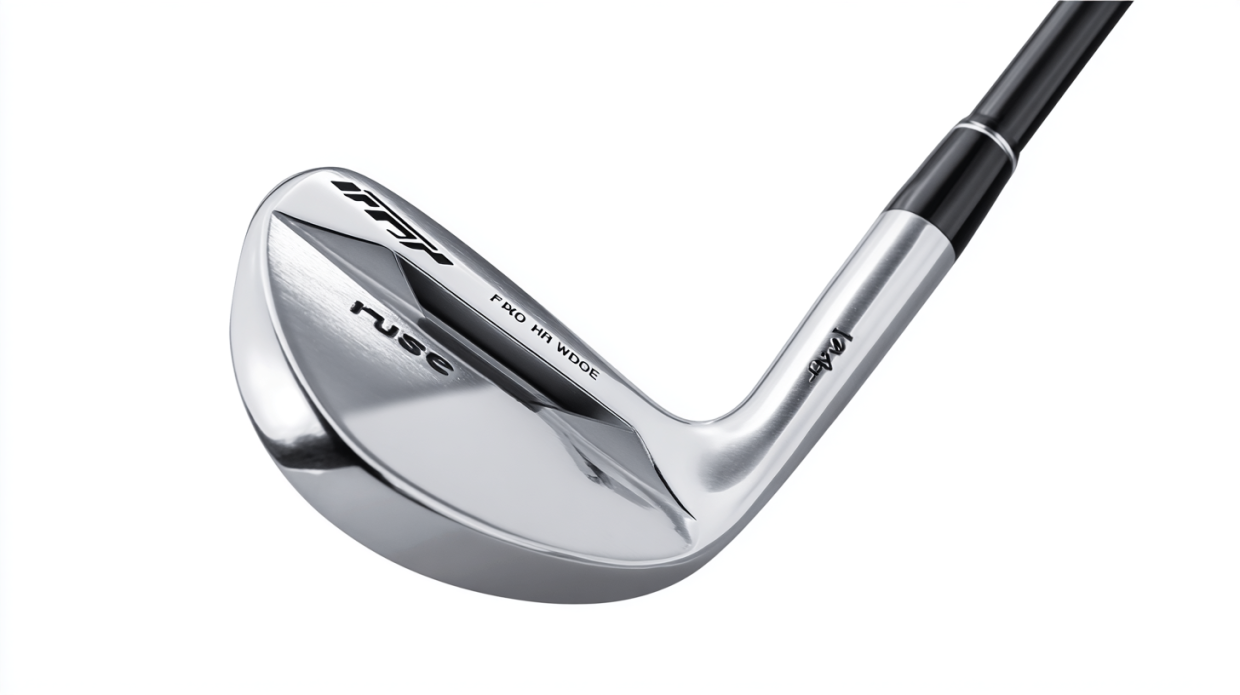

Top Flite Kids’ Pitching Wedge (Height 46″-52″/Ages 5-8)
- Wide Sole Iron: The wide sole design makes it easier for young golfers to avoid mishits and get solid contact with the ball, helping them make cleaner, more consistent shots.
- Lightweight Junior Flex Shaft: Perfectly crafted for smaller hands and developing swings, the lightweight shaft makes it easier for kids to control the club and swing with confidence.
Affordable Performance That Rivals Premium Brands Without Breaking the Bank
In the vast landscape of golf equipment, few clubs are as versatile and essential as the pitching wedge. It’s that critical transition club between your irons and your specialized wedges, the one you’ll reach for on those approach shots that demand precision without sacrificing distance. Among the many options available on the market today, the Top Flite pitching wedge has carved out a reputation as a budget-friendly alternative that doesn’t skimp on performance. But is it the right club for your bag? Let’s dive deep into everything you need to know about this popular wedge option.
Understanding the Top Flite Pitching Wedge: Specs and Design
The Top Flite pitching wedge typically features a loft of approximately 44-46 degrees, positioning it perfectly in that crucial gap between your 9-iron and gap wedge. This standard loft angle allows for versatile play across various situations on the course, from fairway approaches to rough escapes and even some bunker scenarios.
When you first hold a Top Flite pitching wedge, you’ll notice its straightforward, no-nonsense design. These wedges generally feature a cast stainless steel construction, providing durability and a solid feel without the premium price tag of forged options. The club head design tends toward game-improvement features, with a moderate cavity back that helps distribute weight to the perimeter, enhancing forgiveness on those inevitable mishits.
The shaft length typically measures around 35.5 inches for men’s standard models, which falls within the typical range for pitching wedges across most manufacturers. This standard length contributes to the club’s versatility, allowing for comfortable full swings while still enabling the control needed for those delicate pitch shots around the green.
What truly sets the Top Flite pitching wedge apart from premium competitors is its remarkable value proposition – delivering satisfactory performance at a fraction of the cost of high-end alternatives. This price-to-performance ratio has made it particularly popular among beginners, high-handicappers, and budget-conscious golfers who need reliable equipment without the sticker shock.
The Budget-Friendly Advantage: Cost Analysis
One of the most compelling reasons to consider a Top Flite pitching wedge is its affordability. While premium wedges from brands like Callaway, TaylorMade, or Titleist can easily command prices between $130-180 per club, Top Flite pitching wedges typically retail between $30-60, depending on whether you’re purchasing it individually or as part of a set.
This dramatic price difference raises an obvious question: what exactly are you sacrificing for that lower price point? The answer isn’t as straightforward as you might think. While premium wedges do offer more refined designs, specialized grinds, and often higher-quality materials, the practical difference in performance—especially for recreational golfers—may not justify the price gap for many players.
Consider this: for the price of one premium wedge, you could potentially purchase a complete set of wedges from Top Flite, covering all your short game bases from pitching wedge through lob wedge. For beginners and high-handicappers still developing their skills, this comprehensive approach to building out your short game arsenal might yield better results than investing in a single premium club.
Performance Analysis: How Does It Really Play?
The real question on every golfer’s mind is simple: how does this club perform where it matters most—on the course? To answer this thoroughly, we need to break down performance into several key categories that matter to different types of players.
Distance Control and Consistency
For many recreational golfers, consistency is far more important than maximizing distance with a pitching wedge. The Top Flite pitching wedge delivers reasonably consistent distances once you’ve dialed in your typical swing. Most players report full-swing distances between 100-120 yards for men and 70-90 yards for women, though these numbers naturally vary based on individual swing speed and technique.
What’s particularly noteworthy is the club’s forgiveness on slight mishits. The perimeter weighting helps maintain distance even when you don’t catch the ball perfectly in the center of the face—a feature that’s especially valuable for beginners and high-handicappers who struggle with consistent contact.
One reviewer noted: “I was surprised by how much forgiveness I got from such an affordable club. My shots weren’t penalized nearly as much as I expected when I caught them a bit thin or toward the toe.”
Feel and Feedback
This is one area where premium wedges typically have a clear advantage over budget options like Top Flite. The cast construction simply doesn’t provide the buttery-soft feel that forged wedges from premium manufacturers offer. However, the Top Flite pitching wedge still provides adequate feedback on your shots, allowing you to discern good contact from poor strikes.
Many users describe the feel as “solid” rather than “soft”—not necessarily a negative trait, particularly for players who prefer a more definitive sensation at impact. The standard grip tends to be functional rather than premium, though this is one of the easiest and most affordable components to upgrade if desired.
A high-handicapper reviewing the club commented: “No, it doesn’t feel like my buddy’s Vokey, but it gives me clear feedback when I make good contact versus bad contact, and that’s what I need at this stage of my game.”
Versatility Around the Green
While primarily designed for approach shots, a good pitching wedge should also perform reasonably well in a variety of short game scenarios. The Top Flite pitching wedge features a moderate bounce angle of approximately 4-6 degrees, making it versatile enough to handle different lies without requiring advanced technique.
This moderate bounce works well on fairway approaches and light rough, though it may struggle slightly in fluffy bunkers or very tight lies compared to specialty wedges designed specifically for those conditions. For most recreational golfers who don’t have the time to master multiple short game techniques with different wedges, this versatility is a significant advantage.
One mid-handicapper noted in an online review: “I’ve found I can use this club for so many different shots around the green. It’s become my go-to club from 110 yards and in, and I can manipulate the face open or closed depending on what the shot calls for.”
Who Should Consider the Top Flite Pitching Wedge?
Based on its characteristics, price point, and performance attributes, the Top Flite pitching wedge is particularly well-suited for several categories of golfers:
Beginners Finding Their Swing
For new golfers just learning the game, investing in premium equipment often doesn’t make financial sense. The Top Flite pitching wedge provides a forgiving, easy-to-hit option that allows beginners to develop their skills without breaking the bank. The forgiveness on mishits helps maintain confidence during the steep learning curve of the early golfing journey.
As one beginner explained: “I needed something that wouldn’t punish me too severely while I’m still figuring out my swing. This club has been perfect—forgiving enough to keep me encouraged but still teaching me what good contact feels like.”
High-Handicappers Seeking Forgiveness
High-handicap players (typically those shooting above 90 consistently) often benefit from game-improvement features like perimeter weighting and cavity-back designs. The Top Flite pitching wedge delivers these forgiveness-enhancing characteristics at an accessible price point, making it an attractive option for players still working to lower their scores.
“As a 22-handicapper, I need all the help I can get,” shared one reviewer. “This pitching wedge has significantly improved my confidence on approach shots. The sweet spot feels huge compared to my old blade-style wedge.”
Budget-Conscious Golfers
Let’s face it: golf can be an expensive hobby. For players looking to maximize performance while minimizing expense, the Top Flite pitching wedge represents an excellent value proposition. This is especially true for occasional golfers who might play just a few times per month and can’t justify premium equipment prices for limited use.
A weekend golfer commented: “I play maybe twice a month during the season. Spending $150 on a single wedge just doesn’t make sense for my playing frequency, but I still want something reliable. This fits the bill perfectly.”
Seniors and Juniors with Moderate Swing Speeds
The forgiving nature of the Top Flite pitching wedge makes it particularly suitable for seniors with decreasing swing speeds or juniors still developing their power. The perimeter weighting helps these players get adequate distance and height on their shots even without generating tour-level clubhead speed.
One senior golfer in his 70s shared: “As my swing has slowed down over the years, I’ve found these more forgiving clubs help me maintain reasonable distances. The Top Flite pitching wedge gives me enough loft to stop the ball on the green without requiring the swing speed of my younger days.”
Comparative Analysis: Top Flite vs. Premium Brands
To truly understand where the Top Flite pitching wedge sits in the market, we need to compare it directly to some of the premium alternatives. Let’s see how it stacks up against offerings from industry leaders like Callaway and TaylorMade:
Top Flite vs. Callaway
Callaway wedges, particularly those in the Mack Daddy and Jaws series, are renowned for their precision engineering, multiple grind options, and premium materials. They typically feature precisely milled grooves that maximize spin and control, especially on shots around the green.
The primary differences:
- Price: Callaway wedges typically cost 3-4 times more than the Top Flite option
- Material quality: Callaway often uses softer, more premium metals with more sophisticated heat treatments
- Customization: Callaway offers various bounce and grind options for different playing conditions and swing types
- Spin generation: The precision-milled grooves on Callaway wedges generally produce higher spin rates
However, for many recreational golfers, these differences may not translate to significantly better scores. One mid-handicapper who had played both noted: “Yes, I could tell the difference in feel between my Callaway and the Top Flite when I really paid attention, but honestly, my scores didn’t change much when I switched to save some money.”
Top Flite vs. TaylorMade
TaylorMade’s wedge offerings, including the popular MG3 and Hi-Toe series, feature sophisticated design elements like variable face roughness, CNC-milled faces, and multiple sole grinds designed for different types of shots and course conditions.
Key differences include:
- Technology focus: TaylorMade typically incorporates more cutting-edge technology and design features
- Spin consistency: Premium TaylorMade wedges maintain spin rates better in wet conditions
- Progressive center of gravity: Many TaylorMade wedges feature precisely positioned weight placement that varies by loft
- Tour validation: TaylorMade designs often reflect direct input from tour professionals
Again, while these differences are real, their impact on the average golfer’s game can be minimal. One 15-handicapper observed: “I borrowed my friend’s TaylorMade wedge for a round and honestly couldn’t justify the price difference based on my performance. The Top Flite does 90% of what I need at 30% of the price.”
Potential Drawbacks and Limitations
In the interest of providing a comprehensive and honest assessment, it’s important to acknowledge some limitations of the Top Flite pitching wedge:
Limited Options and Customization
Unlike premium brands that offer multiple bounce angles, grinds, and finish options, Top Flite pitching wedges typically come in a one-size-fits-all design. This means you can’t tailor the club to specific course conditions or your particular swing characteristics as precisely as you might with premium alternatives.
For players with very specific needs—like those who play on extremely firm courses or have particularly steep attack angles—this lack of customization could be limiting.
Less Refined Feel
As mentioned earlier, the cast construction simply doesn’t deliver the same buttery-soft feel that forged wedges from premium manufacturers provide. Players who place a high value on feel and feedback might find the Top Flite pitching wedge somewhat lacking in this department.
One low-handicapper noted: “It performs fine, but there’s a definite difference in feel compared to my forged wedges. It’s not bad, just different—more solid than soft.”
Potential Durability Concerns
While the stainless steel construction is generally durable, some users have reported faster wear on the grooves compared to premium alternatives, which may affect spin performance over time. This is particularly relevant for players who practice frequently or play many rounds per year.
“After about 50 rounds, I noticed the grooves weren’t grabbing the ball quite as well as when new,” one frequent player mentioned. “Not a deal-breaker at this price point, but something to be aware of.”
Left-Handed Limitations
Left-handed golfers often face more limited options across the equipment spectrum, and Top Flite is no exception. While left-handed models do exist, they may be harder to find in some regions or available in fewer variations than right-handed options.
Making the Most of Your Top Flite Pitching Wedge
If you’ve decided that the Top Flite pitching wedge is the right choice for your game and budget, here are some tips to maximize its performance:
Consider a Grip Upgrade
One of the most cost-effective improvements you can make to any golf club is upgrading the grip. For $10-15, you can replace the standard grip with something that better suits your preferences in terms of size, texture, and tackiness. This simple change can significantly improve both comfort and performance.
Focus on Clean Grooves
To maintain optimal spin performance, especially as the grooves begin to wear, make it a habit to clean your club face thoroughly after each shot. A groove cleaning tool is an inexpensive investment that can help extend the effective lifespan of your wedge.
Develop Versatile Technique
Since the Top Flite pitching wedge has a somewhat standard design without specialized grinds, developing versatile technique becomes even more important. Practice opening and closing the face to adjust trajectory and bounce, and learn how different ball positions affect your shots.
Pair with Complementary Wedges
To build a complete short game arsenal, consider how your pitching wedge fits with your other wedges. With the Top Flite typically offering a loft of 44-46 degrees, you might want to add a gap wedge around 50-52 degrees and a sand wedge at 54-56 degrees to create appropriate loft gaps for distance control.
Where to Purchase a Top Flite Pitching Wedge
Top Flite golf equipment is widely available through several major retailers. Some of the most common places to find Top Flite pitching wedges include:
- Dick’s Sporting Goods (Top Flite’s parent company)
- Golf Galaxy
- Academy Sports
- Amazon
- Walmart
- Used options on sites like 2nd Swing, Global Golf, or eBay
Prices typically range from $30-60 for new models, with used options sometimes available for even less. The pitching wedge is also commonly included in complete Top Flite iron sets, which can offer even better value for those looking to upgrade multiple clubs.
Final Verdict: Is the Top Flite Pitching Wedge Right for You?
After thoroughly examining the design, performance characteristics, price point, and user experiences with the Top Flite pitching wedge, we can draw some conclusions about who might benefit most from this club:
For beginners, high-handicappers, budget-conscious players, and those who play infrequently, the Top Flite pitching wedge offers tremendous value. Its forgiving design, adequate performance, and affordable price make it an excellent option for these categories of golfers.
For low-handicap players, those with specific short game needs, or golfers who place a premium on feel and feedback, the limitations of the Top Flite might outweigh its cost advantages. These players might be better served by investing in more specialized equipment.
Perhaps the most balanced perspective came from a mid-handicapper who noted: “Golf is hard enough without equipment that fights you. But it also doesn’t require the absolute best equipment to play well and have fun. The Top Flite pitching wedge sits in that sweet spot where it’s good enough to not hold back my game, but affordable enough that I don’t feel guilty if I don’t play as often as I’d like.”
In the end, the decision comes down to your personal priorities, budget constraints, and playing characteristics. The Top Flite pitching wedge won’t transform your game overnight, but neither will a wedge costing four times as much. What it will do is provide a serviceable, forgiving option that allows you to develop your skills without emptying your wallet—and for many recreational golfers, that’s exactly the right combination.
Remember that the most important factor in your short game success isn’t the brand name on your wedge but the time you spend practicing with whatever club you choose. The best wedge for you is ultimately the one that gives you confidence when you stand over the ball—whether that’s a budget-friendly Top Flite or a tour-level premium option.
